
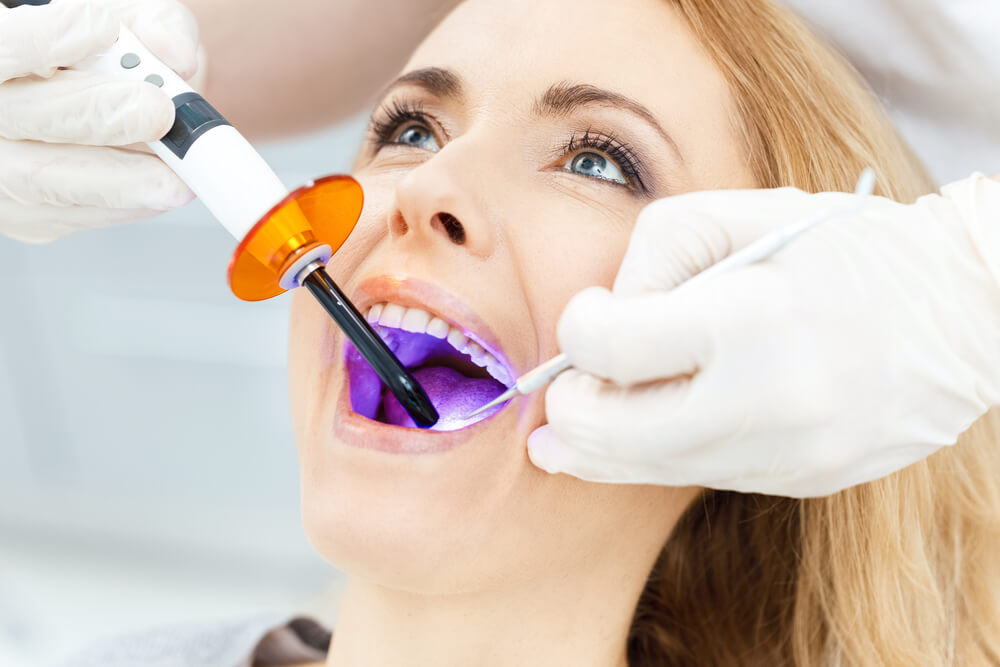
A bright, healthy smile is often one of the first things people notice. However, even with excellent oral hygiene habits, many people experience tooth discoloration over time. Teeth naturally change as we age, but lifestyle choices, dietary habits, medications, and oral health conditions can all contribute to staining.
Understanding why teeth become discolored is the first step toward choosing the right solution. Whether stains are caused by coffee, tobacco, or simply the aging process, professional teeth whitening in Murfreesboro can help restore a brighter smile safely and effectively.
Not all stains are the same. Dentists generally classify tooth discoloration into three categories: extrinsic, intrinsic, and age-related stains.
Extrinsic stains affect the outer layer of the tooth, known as the enamel. These are the most common types of stains and are typically caused by food, beverages, and tobacco products. Because they remain on the surface, they often respond well to professional whitening treatments.
Intrinsic stains develop beneath the enamel within the dentin. These stains are more difficult to remove because they occur inside the tooth structure. Trauma, certain medications, excessive fluoride exposure during childhood, or changes in tooth development can all lead to intrinsic discoloration.
Age-related staining combines both types. As enamel naturally wears down over time, the yellowish dentin beneath becomes more visible. Years of consuming staining foods and beverages also contribute to a darker appearance.
Understanding the source of discoloration helps your dentist determine whether whitening is the best treatment option or if another cosmetic solution may produce better results.
Many of the stains people develop throughout adulthood are preventable—or at least manageable. Professional teeth whitening in Murfreesboro is particularly effective for removing surface stains caused by everyday habits.
Coffee remains one of the leading causes of discoloration because its dark pigments cling to tooth enamel. Tea, especially black tea, contains tannins that also promote staining. Red wine, cola, sports drinks, and dark-colored juices have similar effects.
Foods can also contribute to discoloration. Tomato-based sauces, berries, soy sauce, balsamic vinegar, and colorful spices like turmeric leave pigments that gradually dull the appearance of teeth.
Tobacco use presents another significant cause of yellowing and brown stains. Both cigarettes and smokeless tobacco contain tar and nicotine that penetrate tooth enamel over time, creating stains that become increasingly difficult to remove with regular brushing.
Even healthy foods and beverages can affect the brightness of your smile if consumed frequently. While these items do not necessarily harm your teeth, their pigments accumulate over the years.
Many people notice their smile becoming less bright with age, even if they maintain excellent oral hygiene.
Enamel is incredibly strong, but it slowly becomes thinner over decades of chewing, brushing, and daily wear. As the enamel wears away, the naturally darker dentin underneath becomes more visible. This process gives teeth a yellow or darker appearance that cannot be prevented entirely.
In addition, years of exposure to foods, drinks, and environmental factors allow stains to accumulate within microscopic pores in the enamel.
Professional whitening treatments can often restore much of the brightness lost through aging, although every patient’s results vary depending on the type and severity of discoloration.
Not all tooth discoloration is caused by lifestyle habits.
Certain prescription medications may darken teeth, especially when taken during childhood while teeth are still developing. Tetracycline antibiotics are one well-known example. Some antihistamines, blood pressure medications, chemotherapy drugs, and treatments for autoimmune diseases may also contribute to discoloration.
Medical conditions affecting enamel development can make teeth appear yellow, gray, or brown. Excessive fluoride exposure during childhood, known as fluorosis, may produce white spots or mottled discoloration.
Trauma to a tooth can also cause internal staining. When a tooth experiences an injury, the nerve tissue inside may react by darkening over time.
These types of intrinsic stains often require professional evaluation because whitening alone may not produce the desired results.
Many whitening toothpastes, strips, rinses, and gels promise dramatic improvements, but their effectiveness varies significantly.
Most over-the-counter products contain lower concentrations of whitening ingredients than professional treatments. While they may remove minor surface stains, they often struggle to address deeper discoloration.
Because these products are designed for general use, they cannot be customized to fit your specific teeth or staining patterns. Some individuals also experience increased tooth sensitivity when using store-bought whitening products incorrectly or too frequently.
Professional whitening performed under dental supervision offers stronger whitening agents while protecting surrounding gums and soft tissues. Dentists also evaluate your oral health before treatment to ensure whitening is appropriate for your individual needs. Legacy Family Dental offers professional teeth whitening as part of its cosmetic dentistry services to safely brighten smiles more effectively than many over-the-counter options.
Whitening treatments can produce impressive improvements, but maintaining those results requires consistent care.
Brushing twice daily with fluoride toothpaste, flossing regularly, and attending routine dental cleanings help minimize new stain buildup.
Many patients also reduce consumption of heavily pigmented beverages or use a straw when drinking iced coffee, tea, or soda. Rinsing with water after consuming staining foods and beverages can help reduce their effects.
Avoiding tobacco products provides one of the greatest benefits for both oral health and long-lasting whitening results.
Regular dental examinations allow your dentist to monitor your oral health while recommending touch-up whitening treatments if needed to maintain your brighter smile.
If your smile has become stained from coffee, aging, tobacco, or everyday life, professional treatment may help restore its natural brightness. Legacy Family Dental provides comprehensive preventive, restorative, pediatric, and cosmetic dentistry, including professional teeth whitening in Murfreesboro, in a welcoming, family-focused environment. Our experienced team develops personalized treatment plans designed around each patient’s goals while using modern technology to deliver comfortable, high-quality care.
If you’re ready to learn whether professional whitening is right for you, contact Legacy Family Dental to schedule a consultation and take the next step toward a healthier, more confident smile.